
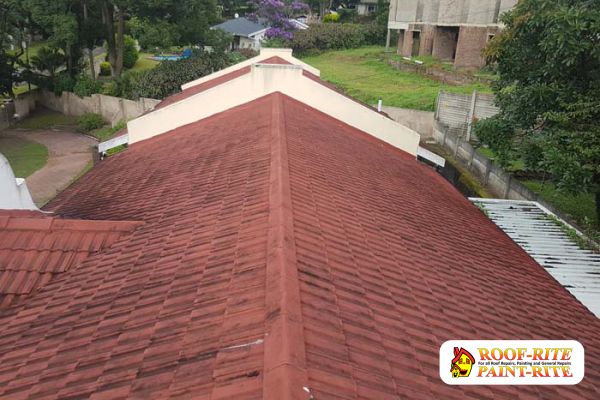
 KwaZulu-Natal homeowners face some of the most demanding roofing conditions in South Africa. High summer rainfall, sudden storms, strong coastal winds, humidity, and intense sunlight all place continuous strain on residential roofs. Over time, these environmental factors accelerate roof deterioration, often without obvious warning signs visible from the ground.
The Frustration of Rejected Insurance Claims
Many homeowners only become aware of roofing issues when water starts entering the home. Ceiling stains, damp walls, and dripping water usually prompt an insurance claim, but this is also when many people discover that their claim has been rejected. This outcome is frustrating, but in most cases, it is not unexpected from an insurer’s point of view.
Roof insurance claims in KZN are frequently declined because the damage is classified as “wear and tear” or “lack of maintenance” rather than sudden or accidental damage. Understanding how insurers assess roof damage is essential for protecting your property and your wallet.
Maintenance vs. Sudden Damage: What Your Policy Covers
Insurance policies are designed to cover sudden, unforeseen events. Examples include:
-
Severe storm damage (hail or gale-force winds).
-
Impact damage from falling trees or debris.
-
Accidental incidents occurring without warning.
In contrast, gradual deterioration, aging materials, and long-term water ingress are generally excluded. Roofs are considered maintenance items, and insurers expect homeowners to take reasonable steps to keep them in good condition.
1. Deteriorating Ridge Caps
One of the most common problem areas is the ridge caps. These run along the highest point of the roof where tiles meet. Because of their position, they are constantly exposed to the elements. Over time, the mortar holding them in place dries out and cracks due to thermal expansion.
What to look for:
-
Cracked or missing mortar.
-
Loose or misaligned ridge tiles.
-
Uneven ridge lines.
Because ridge cap failure occurs gradually, insurers almost always classify these leaks as maintenance issues rather than valid roof insurance claims in KZN.
2. Blocked or Corroded Roof Valleys
Roof valleys are the channels where two sections of roof meet, directing large volumes of water off the roof. In leafy KZN areas like Pietermaritzburg, these valleys often become blocked with leaves and debris.
When valleys are blocked, water backs up and is forced under the tiles. By the time you see a stain on your ceiling, the damage has likely been occurring for months. Insurers view this as preventable through routine cleaning.
3. Failed Roof Flashings
Flashings seal the joints around chimneys, walls, and skylights. In coastal areas, metal flashings corrode quickly due to salt air, while sealants crack under intense UV exposure.
Flashing deterioration is a leading reason for rejected claims. Since the failure happens slowly over time, it is classified as wear and tear.
How to Protect Your Home and Your Policy
Preventative maintenance is the only way to reduce the risk of a rejected claim. We recommend:
-
Regular Inspections: Check your roof at least once a year.
-
Debris Removal: Keep valleys and gutters clear of leaves.
-
Early Repairs: Fix cracked mortar or rusted flashing immediately.
-
Record Keeping: Keep receipts of professional maintenance to prove you have been a responsible homeowner.
Don’t Wait for the Next Storm—Contact Roof Rite Today!
Is your roof ready for the next KZN storm season? Don’t risk a rejected insurance claim due to overlooked maintenance. At Roof Rite, we specialize in professional roof inspections, maintenance, and repairs tailored to the South African climate.
Contact us today for a professional assessment and peace of mind. Ensure your roof is right, with Roof Rite.